Why it’s about training SMARTER not harder!

Many of us are taught from a young age that pushing harder is the answer when it comes to exercise – more sweat, more intensity, more effort means better results. As our bodies evolve with age, the strategies that once delivered fast wins may not feel so great anymore. What used to energise us can start to leave us feeling sore – it’s important to listen and learn new ways to match your training that will support the body you’re in now. When workouts are designed with recovery, joint health, and sustainability in mind, results will come more consistently too! It doesn’t mean we need to make the workouts “easier”, it just means we need to think of the bigger picture and how best we can support our bodies going forward. 

Why do our joints respond differently to exercise in midlife

In midlife, joints often become the first place we notice that something has changed. Knees, hips, shoulders, and lower backs may feel tighter or slower to bounce back after workouts that never used to be an issue.

Part of this comes down to natural changes in connective tissue. Tendons, ligaments, and cartilage don’t adapt as quickly as muscles do, and they become less resilient when they’re overloaded too often or too intensely. Add in reduced tissue elasticity, and years of accumulated wear and tear – our joints simply need more care than they once did!

This doesn’t mean you should avoid challenging exercise. Joint health thrives on strength, good movement patterns, and recovery – not constant pounding (running on hard pavements etc.).

Why is recovery so important 

One of my favourite phrases is “the days you spend not training are as important as those you do” and there is a good reason for this. Recovery can take longer due to many reasons – shifts in hormones that influence inflammation and muscle repair, slower muscle protein synthesis (meaning tissues need more time to rebuild) plus poor sleep quality which naturally disturbs recovery and energy levels.

Exercise places stress on the body by challenging our muscles and joints. During recovery the body repairs damaged tissue, rebuilds muscle fibres, and becomes stronger and more resilient. Many of us can feel “guilty” when we include our rest days. It’s important to understand that recovery isn’t a sign of doing less, our joints and muscles are still working hard in the background – allowing strength gains to become more consistent!

What should I be doing to support my body

Strength training becomes especially important (3-4 times per week), as stronger muscles help protect and stabilise your joints. Focusing on proper technique, full ranges of motion, and gradual progression can make a big difference. Mobility work, warm-ups, and cool-downs are important at every age but do matter more in midlife. Taking time to move joints through healthy ranges and release tension helps maintain comfort and confidence in your movement.

Cardio doesn’t have to be ruled out completely. High-intensity sessions can still be useful, just in smaller doses. Running is incredibly beneficial in so many ways, both for physical and mental benefits.

If you are looking for less impact try:

  • Brisk walking
  • Cycling
  • Swimming

How do I include rest and recovery into my weekly routine

  • Schedule rest days: 1-2 days of gentle movement like walking or stretching.
  • Fuel your body: Eat protein to support muscle repair, include healthy fats and anti-inflammatory foods for joint health, and stay hydrated
    • Lean meats (chicken, turkey, lean beef) and fish (salmon, cod)
    • Nuts and seeds (almonds, flax seeds)
    • Herbal teas (green tea)
  • Make sleep a priority: Quality sleep will help muscle repair and tissue recovery quietly in the background.
  • Supplements: there are certain supplements that really aid muscle recovery too ie magnesium, collagen, turmeric, Omega 3 fatty acids, Vit C/D etc

A final thought

Remember, how you recover, nourish and move matters just as much as the exercise itself. More isn’t always better – pushing too hard without allowing your body time to repair can slow progress, increase joint discomfort, and leave you feeling frustrated. Prioritise strength, mobility, supportive cardio, proper nutrition, hydration, and rest. Recovery isn’t a break from progress – it’s the foundation for it! 

As always, if you have any questions please do get in touch.

Caroline x

Fitness for Heart Health (in midlife & beyond!)  

As we move through midlife, our bodies naturally change, including how we regulate blood pressure, cholesterol, blood sugar, and body composition. These changes are highly responsive to lifestyle choices – strong evidence shows that regular exercise is one of the most effective ways to support heart health, boost energy, and build resilience in midlife and beyond.

Why Is Heart Health Important in Midlife

From around the age of 40, physiological changes begin to accelerate:

  • Arterial stiffness increases, raising blood pressure
  • Visceral fat accumulation becomes more common, lean muscle mass decreases
  • Bad cholesterol levels can rise
  • Stress and poor sleep can impact heart function

How Exercise Protects the Heart

Research shows that adults who remain physically active in midlife can reduce their risk of cardiovascular disease, even if they were previously sedentary.  Strength training improves heart health indirectly by increasing muscle mass, enhancing insulin sensitivity, and supporting healthy body composition. 

Mindbody practices such as yoga, pilates, and mobility work help regulate the nervous system, lower cortisol, and improve blood pressure, particularly during periods of high stress. Brisk walking, cycling, and swimming, remains a cornerstone of cardiovascular health and longevity. 

Regular physical activity improves heart health by:

  • Strengthening the cardiac muscle
  • Improving blood vessel health
  • Lowering resting blood pressure
  • Improving glucose regulation
  • Reducing systemic inflammation

How often should I be exercising?

Aim for 20 – 30 minutes of moderate movement on most days, combined with three to four strength training sessions per week. In addition, incorporating regular movement breaks throughout the day can help reduce sedentary time and further support overall health.

What exercises should I be doing?

Compound strength exercises such as squats, deadlifts, and lunges. These multi-joint movements recruit large amounts of muscle mass, which increases oxygen consumption and cardiac output during exercise. This elevated demand places a beneficial stress on the cardiovascular system, improving blood flow efficiency and overall fitness. Compound lifts challenge both the muscular and cardiovascular systems simultaneously – they offer an efficient way to improve strength, metabolic health, and heart health without the need for prolonged, high pressure training.

For beginners, it’s important to start with lighter loads, controlled tempos, and proper technique to allow your body to adapt safely. Gradually increasing resistance and intensity over time helps reduce injury risk and supports long-term progress.

Lifestyle Habits That Support Heart Health

Exercise is incredibly important when it comes to heart health – the benefits are amplified when combined with other healthy lifestyle habits. Prioritizing quality sleep, managing stress, and following a heart-friendly diet all support cardiovascular function, improve recovery, and enhance the effects of your workouts.

When it comes to nutrition, focus on whole, minimally processed foods that help maintain healthy blood pressure, cholesterol, and blood sugar levels. Think vegetables, fruits, lean proteins, whole grains, and healthy fats (olive oil, nuts, and fatty fish). Without restricting yourself completely, try to avoid highly processed foods, added sugars and excess salt. Staying hydrated is also key!

Small, consistent daily choices like taking short movement breaks, practicing mindfulness and adding balanced meals add up over time, helping to strengthen your heart, support metabolic health, and improve overall wellbeing.

Final thought

Midlife is a time to focus on moving with intention rather than just staying busy. Your body remains adaptable, and regular activity whether it’s strength training, brisk walking, or mindbody practices will make a huge impact on heart health, energy, and overall wellbeing. By making movement a regular part of your routine and maintaining a healthy diet, you’re supporting your heart today while helping your body stay strong, healthy, and resilient as you move through midlife and beyond.

As always, if you have any questions please do get in touch.

Caroline x

Your Beginner’s Guide to Strength Training Basics

One of the questions I’m asked most often about strength training (and fitness in general) is “Where do I start!?”. If you’ve ever felt unsure or intimidated, you’re not alone – and I promise it doesn’t have to feel that way. Strength training is one of the most powerful and rewarding things you can do for your body, especially in midlife. It doesn’t need to be complicated, and you don’t need a gym or fancy equipment to get started. You CAN build real strength right at home. If your goal is to feel stronger, more confident, and more capable in your everyday life, you’ve come to the right place!

What Is Strength Training?

Strength training, also known as resistance training, is a form of exercise that challenges your muscles by working against resistance to build strength and resilience over time. That “resistance” can come from many different places, including your own bodyweight, dumbbells or kettlebells and resistance bands. Especially in midlife, this kind of training becomes incredibly important.

As we age, we naturally begin to lose muscle mass, bone density, and strength. The good news is that strength training can help slow, stop, and even reverse many of these changes. Each time you challenge your muscles in a safe and intentional way, you’re sending your body a powerful signal to adapt. Over time, your muscles become stronger and more resilient, supporting your bones and joints, improving balance, and making everyday movements – like carrying groceries, getting up off the floor, or simply moving with confidence – feel easier. Strength training in midlife isn’t about extremes or pushing harder. It’s about training smarter, moving with intention, and building strength that truly supports your life now and in the years ahead.

Benefits of Strength Training In Midlife

Small, consistent efforts make a huge difference! When you make strength training a regular part of your routine, the benefits go way beyond just building muscle. Your bones stay healthier, your posture and joints feel more stable. You’ll also boost your metabolism and sharpen your focus. Lifting, carrying, bending, and moving will all start to feel a whole lot easier!

Here’s what you can expect:

  • Stronger and toned muscles, healthier bones
  • Improved posture and joint stability
  • Improved metabolism
  • Mental resilience, confidence and independence 
  • Easier everyday movement 

Commonly Asked Questions About Strength Training

  1. Will I bulk up?
  • No! With a structured program, alongside a balance diet, you can become stronger and fitter building lean muscle
  1. How much weight should I use as a beginner
  • Start with bodyweight or 2kg dumbbells and build up from there – if your form slips, the weight is too heavy!
  • As a general rule, I would aim for 10-12 reps per exercise with the last two reps doable but challenging
  1. How often should I strength train
  • 3-4 times per week, targeting each muscle group
  • Rest and recovery days are equally as important!
  1. What equipment do I need
  • A mat, bodyweight or a pair of 2kg dumbbells, a resistance band

My Top Strength Exercises

When you’re just getting started with strength training, I recommend focusing on a few key compound movements (where you use more than one muscle group at a time). These exercises form the building blocks of a strong, balanced body and set you up for long-term gains. We are focusing on functional movements here, mimicking those that you do in everyday life. Taking the time to learn and master them will help you move with confidence, reduce injury risk, and continue progressing safely as you get stronger.

Examples would be:

  • Squats
  • Lunges
  • Press ups
  • Planks
  • Overhead press
  • Deadlift

Start 10 reps of each and 2 sets. You can begin with bodyweight and then build up to using weights.

Final Thoughts

The most important step is simply to start, even with small, manageable goals! Over time, those efforts add up to real, lasting strength that will support your body and confidence.

Remember, strength training in midlife isn’t about pushing yourself to extremes or comparing yourself to anyone else. It’s about moving with intention, challenging your muscles safely, and celebrating every bit of progress along the way. Start small, build up your weight gradually and the results will come.

As always, any questions please do get in touch.

Caroline x

Does Your Metabolism Really Slow Down With Age?

As women in midlife, we go through many transitional shifts – physically, hormonally, and emotionally. A common factor in our 40s and 50s is continuing to eat in the same way we always have, yet noticing our body responding very differently. Clothes may feel tighter, energy levels fluctuate, and weight seems harder to manage than before and creeping on in new areas. So, is this all really down to our metabolism slowing down? And if so, is there anything we can actually do about it?

What Is Metabolism?

Your metabolism is how your body turns food into energy. Constantly active, it powers everything from breathing and circulating blood to moving your muscles and thinking.

  • Basal Metabolic Rate (BMR): the energy your body uses just to keep you alive; breathing, circulating blood, keeping organs functioning
  • The thermic effect of food: the energy it takes to digest, absorb, and process what you eat
  • Activity energy: the calories you burn through movement, exercise, and everyday activity

What Changes in Midlife 

1. Loss of Muscle Mass

Women start to lose muscle as early as their 30s. Muscle is metabolically active tissue. Less muscle = fewer calories burned at rest. This is one of the biggest drivers of metabolic change in midlife.

2. Hormonal Shifts (Perimenopause & Menopause)

Declining oestrogen affects:

  • Where fat is stored (more fat around the tummy)
  • Insulin sensitivity
  • Appetite regulation
  • Stress hormones like cortisol

This doesn’t “slow” metabolism – it changes how your body uses and stores energy.

3. Less Daily Movement

Midlife can sometimes come with:

  • Less desire to exercise due to aching joints, disturbed sleep patterns etc.
  • Less recovery from intense exercise

Even small reductions in daily steps can significantly impact calorie burn over time. Remember consistency beats intensity at this life stage. It’s how you are training which is crucial.

How to Support a Healthy Metabolism in Midlife

1. Prioritise Protein Daily

Examples:

  • Breakfast: Greek yogurt with berries and chia seeds
  • Lunch: Lentil and chicken salad with olive oil
  • Dinner: Salmon, roasted vegetables, and quinoa
  • Snack: Cottage cheese with nuts or a smoothie

2. Strength Train (up to 4 x per week)

30 minutes of strength training is a non-negotiable in midlife. Think big compound moves, using more than one muscle group at a time.

Benefits include:

  • Preserving muscle mass
  • Improving insulin sensitivity
  • Supporting bone health
  • Boosting resting metabolic rate (& mood!)

Example routine:

  • Squats 
  • Romanian deadlift 
  • Push-ups 
  • Renegade rows

3. Fuel correctly

Under-eating increases stress hormones and slows metabolic output. Instead of cutting calories or restricting your diet:

  • Eat balanced meals
  • Include healthy fats
  • Avoid skipping meals or cutting out food groups
  • Take supplements where needed

Midlife-friendly plate:

  • Vegetables
  • Protein
  • Carbs (whole grains, legumes, starchy veggies)
  • Add fats (olive oil, avocado, nuts)
  • Don’t forget fibre!
  • Include foods that support your gut health

4. Manage Stress & Sleep

High cortisol encourages fat storage, especially around the belly. Support your nervous system with:

  • 7 – 8 hours of sleep
  • Gentle movement (walking, yoga)
  • Breathing exercises 

5. Move More & Smarter, not Harder

Daily movement matters more than intense workouts alone. Remember small bursts of exercise all add up.

Examples:

  • Walk first thing in the morning and after meals
  • Stretching and mobility exercises when you wake
  • Remembering your rest days around your workouts – recovery is essential
  • Balancing your strength with your cardio, just not high intensity activity daily

Final thoughts

As we age our metabolism becomes more sensitive to how we move, eat, rest, and manage stress. Once we understand these changes and stop chasing quick fixes, the focus shifts to sustainable habits that support long-term health, strength, and energy. Changes can take time so it’s key to stick with it as the benefits will come.

What’s changing is:

  • Muscle mass
  • Hormones
  • Stress load
  • Recovery needs

The solution to supporting our metabolism is eating smarter, lifting weights, managing stress to support your body through change and recovery. Midlife is a chance to work with your body, not against it. Small, consistent changes can make a huge difference in how you feel – and how your metabolism responds. For the long term.

As always, any questions, please do get in touch.

Caroline x

Strength Training: Connecting Mental and Physical Health

Strength training is often talked about in physical terms – building muscle, boosting bone density, and getting stronger. But for women navigating midlife and beyond, it’s important to understand that the benefits go far beyond the body.

When we lift weights, we’re not just shaping muscles, we’re strengthening our minds. Each rep trains focus, resilience, confidence, and the ability to handle stress. Over time, strength training becomes as much a mental practice as a physical one – helping us to navigate the hormonal shifts, energy changes, and emotional ups and downs of midlife with greater ease and empowerment.

Why Strength Training Supports Mental Health

Unlike high-intensity or chaotic workouts, focused strength sessions can be calming and grounding, making them especially helpful during low-energy periods like January. In colder months, we experience reduced exposure to daylight, lower vitamin D levels plus the pressure around goals and expectations. Strength training does more than build muscles. It:

  • Provides controlled stress that helps your nervous system adapt
  • Improves self-efficacy, reinforcing the belief that you can handle challenges
  • Encourages presence and mindfulness, helping interrupt negative thought patterns
  • Supports mood regulation

What the Evidence Shows

Unlike passive activities, strength training requires active engagement, which helps interrupt rumination – the repetitive negative thinking often associated with low mood.

From a psychological perspective, this combination of effort, focus, and progression creates a powerful mind–body connection. Research shows that resistance training supports mental wellbeing, with studies linking it to:

  • reductions in symptoms of anxiety and depression
  • improvements in mood and self-esteem
  • better stress regulation

The Nervous System Connection

Strength training provides controlled, purposeful stress to the body which matters more than you might think. When the nervous system experiences manageable challenges, followed by adequate recovery, it learns to adapt. Over time, this helps you:

  • Handle stress more effectively – both in workouts and in daily life
  • Return to a calmer, balanced state after challenges
  • Regulate emotions with greater ease, reducing the intensity of negative thoughts or mood swings

Physical Strength Supports Mental Stability 

There’s also a simple but powerful relationship between feeling physically capable and feeling mentally secure. These physical changes influence self-perception, which plays a significant role in psychological wellbeing. Rather than focusing on appearance, strength training shifts attention to function and capability, resulting in a positive body image.

Strength training improves:

  • posture and movement confidence
  • physical independence
  • body awareness

Strength Training Builds Psychological Resilience

One of the most overlooked mental health benefits of strength training is resilience. Research on self-efficacy, the belief in our ability to handle challenges, shows that successfully completing difficult tasks builds confidence and emotional strength. Strength training does this repeatedly. Each session reinforces that you can cope with challenges, be consistent even when motivation is low, and reiterates that you are more than capable.

15-Minute Home Strength Workout

This workout is designed to be quick, effective, and accessible, supporting both mental stability and physical health. You only need your bodyweight or optional household items like water bottles or a backpack. Even 15 minutes can:

  • Activate muscles that improve posture and function
  • Reduce mental fatigue and boost focus
  • Build a sense of capability and confidence
  • Encourage consistency

Warm-Up (2 minutes)

  • Breathing Reset
  • Cat Cow Stretch: 4 slow reps
  • Arm Circles: 6 forward, 6 backward

Strength Circuit (10 minutes)

Perform 2 rounds, resting 30 – 45 seconds between exercises.

Squat – 45 sec

  • Bodyweight or hold a water bottle at chest
  • Slow down, exhale as you stand

Incline Push Up – 30 sec

  • Hands on wall or countertop
  • Focus on controlled movement

Superman – 30 sec

  • Face down on the mat slowly bringing your upper body off a small distance
  • Option to extend the arms and then pull back, squeezing shoulder blades together

Good Morning – 45 sec

  • Hinge from hips, slight bend in knees

Dead Bug – 30 sec

  • Alternating arm/leg movement, slow and controlled

Finisher & Cool Down (3 minutes)

  • Wall Sit + Slow Breathing: 30–45 sec
  • Gentle Stretch: hips, chest, back
    • Focus on long exhales to regulate the nervous system

Final Thoughts

Strength training is a practice that goes beyond muscles – it builds confidence, focus, and resilience that carry off the mat and into everyday life. Even short, consistent sessions teach you that you can meet challenges, manage stress, and feel capable in your body and mind. For women in midlife and beyond, this combination of physical strength and mental clarity creates a foundation of empowerment, independence, and well-being that lasts far beyond the workout.

As always, any questions, please do get in touch.

Caroline x

How to Set Goals That Challenge You BUT That You’ll Stick With

Today I am going to take you through how you can set goals that stretch you, motivate you and – and this is the crucial bit – you’ll actually stick with. If you’ve ever written down a goal, felt fired up… then weeks later realised it’s fallen by the wayside, this one’s for you.

Why goal setting matters

Goals give you direction. Without them, you’re drifting. But not all goals are equal. Some are so tame they don’t move the needle. Others are so ambitious they overwhelm you, making consistency impossible. The sweet spot? A goal that challenges you and fits into your life in a way you can sustain.

For example: I previously wrote a blog about building immunity through movement, sleep and nutrition? In that article I pointed out that the three pillars must be balanced and sustained – not “go hard one day and collapse the next”. The same is true here: your goal must challenge, but it must also work for you.

1. Choose a “stretch but realistic” goal

Why this matters

If your goal is too easy, you’ll reach it and feel underwhelmed. If it’s too hard, you may never reach it – and that can kill motivation.

How to do it

  • Pick something just beyond your comfort zone. If you’re used to doing 2 workouts a week, aiming for 4 might be the stretch.
  • But make sure you have the time, energy and resources for it. If you’re juggling work, family and life, trying to do something every day might be unrealistic right now so 4 times per week could be the sweet spot.
  • Use the SMART framework: Specific, Measurable, Achievable, Relevant, Time-bound.
    • Specific: “I will complete 4 workouts each week” rather than “I want to get fitter”.
    • Measurable: “I will complete 4 classes per week for 8 weeks” rather than vague.
    • Achievable: It’s a stretch, but possible.
    • Relevant: It matters to you (not just because someone else told you).
    • Time-bound: Set a timeframe.

What to try this week

  • Write down one goal that feels like a catch-your-breath moment – but doesn’t feel like you’d collapse under it.
  • Outline the measurement: “By 12 March I will…”
  • Check: is it realistic given your current schedule and energy?

2. Break the big goal into micro-steps

Why this matters

Big goals can feel distant and daunting. When you break them into smaller chunks, you build momentum. 

How to do it

  • Take your main goal and split it into weekly (or even daily) actions.
  • These actions need to be doable. If your goal is “complete 4 classes per week for 8 weeks”, then your weekly micro-step might be “book the three slots by Sunday evening” or “pack my gym bag the night before”.
  • Keep tracking each week: celebrate the wins (even small ones). Progress builds motivation.

What to try this week

  • Define the first micro-step you’ll do this week.
  • Schedule it in your diary as if it’s a non-negotiable appointment.
  • At the end of the week, reflect: what went well? What got in the way? I always find that it helps to write it all down – and it’s so lovely when you look back and see how far you have come.

3. Design for consistency (over perfection)

Why this matters

As I always say “consistency is key. A one-day burst isn’t enough.” The same applies here. Success isn’t about a perfect streak; it’s about turning the dial slowly and keeping it up.

How to do it

  • Choose behaviours you can maintain. Fewer big leaps, more small reliable habits.
  • Make it easy to start: what’s your lowest barrier trigger? For example: “In my workout clothes, I’ll do 15 minutes of my favourite circuit”.
  • Build tolerance for “good enough”. If you planned a 45-minute session but only managed 20, that’s still a win.
  • Track your “why”. Keep returning to why you set this goal. That purpose will keep you motivated when novelty fades.

What to try this week

  • Decide on your minimum “must-do” action (e.g., 15 minutes of movement) and aim for that even when life gets busy.
  • In your diary or phone, jot down one sentence: “I’m doing this because…”
  • Reflect at the week’s end: did you meet the minimum? What made it easier/harder?

4. Anticipate obstacles and plan around them

Why this matters

Life happens: travel, work deadlines, fatigue, family commitments. A goal with no flexibility or backup plan is vulnerable. You will often hear me speak about balance: too much exercise with too little recovery weakens rather than strengthens. Here, too, you want smart architecture for your goal-journey.

How to do it

  • List likely road-blocks: e.g., “Wednesday evening I have a late meeting”, “Saturday morning is family time”, etc.
  • For each obstacle, write a “Plan B”. If I can’t make the live class on Wednesday, then I’ll do it on catch -up Thursday morning – make the time free in your diary just in case.
  • Build in recovery / rest: ambitious goals still need space for life and rest.
  • Re-evaluate: If you see a road-block unfolding frequently, adapt your goal or your support structure.

What to try this week

  • Identify 2 obstacles you suspect will show up.
  • Write your Plan B for each.
  • On Thursday, review: did any obstacle appear? Did your Plan B work?

5. Celebrate progress and recalibrate

Why this matters

Recognition fuels momentum. If you reach week 3 and feel you haven’t achieved, you’ll lose spark. Also, goals aren’t static – they may need tweaking. As always, start small, then layer. And being flexible doesn’t mean giving up; it means being smart.

How to do it

  • Set mini-milestones: week 1, week 4, half-way mark, end. Celebrate when you pass them – choose something that matters – coffee out with a friend or a family meal.
  • Take time to reflect: what’s working? What’s not? Adjust if needed. If your 4-class-per-week plan means you’re always fatigued, maybe shift to 3 classes plus 1 yoga class for a few weeks.
  • Visualise success: imagine yourself at the end of the timeframe having achieved it – how do you feel, look, what’s different? This fuels your brain’s “reward” system.

What to try this week

  • Pick a mini-milestone (e.g., end of this month).
  • Choose a “reward” you’ll give yourself when you hit it.
  • On Sunday evening, spend 5 minutes visualising yourself achieving the goal and writing down how that feels.

Final thoughts

Setting goals that challenge you and that you’ll stick with isn’t about going in hard – it’s about clarity, structure, consistency and compassion with your own life. Building your goal strategy is about the long game, not the flash in the pan. I am always talking about fitness for longevity – because the long game is what matters – so set yourself up for long term success.

Pick your goal, split it, plan for the real world, keep showing up, adjust when needed – and celebrate the wins along the way. Over time you’ll not only achieve more, you’ll feel more confident, more alive, more in control.

Here’s to big, meaningful goals in bite size chunks!

As always — any questions, get in touch.

Caroline x

Beyond the New Year’s Resolution: Sustainable Fitness Habits for 2026

Every January, the world collectively decides it’s time for a fresh start. New planners, new goals, new matching workout sets… and of course, the classic New Year’s resolution. For many of us, we set our fitness goals based on what we’re told to do which can feel overwhelming. How can we make 2026 goals different and make them ones you will actually stick to? For me, it’s all about moving beyond the New Year, New Me mindset and creating sustainable fitness habits and goals that keep you feeling strong, motivated and that you’ll stick to all year long.

Start Small 

I always encourage setting small achievable goals when kickstarting your fitness routine, which is particularly important at the start of a New Year. Think of your small habits being the foundation blocks for your fitness journey, which become easier to repeat and to build on in time.

Think:

  • A non-negotiable walk outside – fresh air is key
  • 10 minutes of movement
  • A quick workout circuit that fits into a busy morning

Build an Environment That Supports You

Set yourself up for success by creating a space and routine that naturally encourages movement and healthy habits. By shaping your environment, consistency feels effortless.

  • Keep your workout mat or equipment visible – seeing it is a simple reminder to move
  • Lay out your workout clothes the night before – make it easy to get started
  • Have quick, reliable workouts ready – go to circuits for days when time is tight
  • Keep a water bottle nearby – staying hydrated supports energy, focus, and recovery
  • I find that if you keep track of your workouts it is so motivating to look back at how far you have come so make a note!

Choose Workouts You Genuinely Like

If you’re forcing yourself to do workouts that are on trend but aren’t for you, you aren’t likely going to stick to them! Having a variety of workouts planned and ready to go won’t just make you feel good, it will encourage you to continue building on your goals for strength and longevity:

  • Outdoor movement (walking)
  • Strength circuits – quick 30 min sessions with just a set of dumbbells
  • Low-impact routines & mobility stretches
  • Yoga and pilates

Focus on How You Want to Feel

You might be surprised to hear that I don’t measure my fitness by the scales. In fact, I don’t own any! Instead, I focus on how my body feels and how my diet supports me. For women in midlife, letting go of external pressures and tuning into how your body responds can make a huge difference.

Rather than setting goals based on numbers, try setting fitness goals that prioritise how your mind and body feel. This approach naturally boosts motivation, keeps progress sustainable, and removes the stress of chasing a distant finish line. Remember, fitness isn’t a race – everyone’s journey looks different, and our bodies respond in unique ways. 

  • “I want more energy”
  • “I want to feel clear-headed”
  • “I want to feel strong”
  • “I want to sleep better”

Make Routines That Fit Your Real Life

When fitness fits your lifestyle, it becomes part of your daily routine. Your daily exercise habits should be something that you look forward to and blend into your day! Think ahead where possible on your availability, and time that you can set aside to exercise:

  • Shorter workouts during busy weeks
  • Longer sessions when you have time
  • Movement snacking – tiny bursts of activity throughout the day
  • Flexible schedules instead of rigid ones

Track Your Progress

Tracking can be motivating – as long as it’s healthy and supportive. Try noticing changes like:

  • Better mood and more energy
  • More strength during circuits – you’re lifting heavier weights
  • More ease in daily movement – everything feels easier to do
  • Increased consistency – you don’t even think about it, you just do it
  • Better posture or mobility – no more aches or pains

Final Thought: 

Giving yourself grace. Life will get busy. You’ll miss days. Plans will shift. Motivation will dip. None of that means you’re failing! Perfection is unrealistic, effort is what actually creates change and lasting habits. Think long term – your health and fitness is a journey, not a resolution. When you let go of the pressure to reinvent yourself every January, you will be surprised at how much easier it is to set your sights on something much better: steady, supportive habits that last long after the excitement of the new year and continue building your strength.

Here’s to a 2026 filled with consistency and movement that fits your life – not the other way around. Start small (take a look at my new ten minute series!), build slowly and stick with it.

As always, any questions please do get in touch

Caroline x

5 Things You Can Do to Stay Healthy This Week 

The week of Christmas is always hectic. Between wrapping, cooking and family time, fitting in exercise can feel almost impossible. But staying active – even in small ways – can keep your energy up, your mood steady, and your body feeling great throughout the festive chaos.

When life feels busy, “staying healthy” doesn’t need to mean doing more. In fact, the most effective things you can do right now are often the simplest.

For women in midlife, health is about supporting energy, recovery, and resilience, not pushing harder or aiming for perfection. Here are my five small and achievable things you can focus on this week to help you feel strong without adding pressure, including a quick 10-minute strength workout you can do anywhere!

1. Set Non-Negotiable Activities

Choose one or two movement habits throughout the festive season that feel realistic – set aside time just for you!

  • Set your alarm early and wake up before everyone else 
  • Take yourself on a morning walk
  • A short strength session – see below for my 10 minute workout
  • Stretch before bed

2. Supportive Self Talk

It can be easy to overthink your exercise routine when there is so much going on and you haven’t had time for your usual workout. Supportive self talk encourages a calming environment, confidence and consistency. Rather than feeling pressured at such a busy time, remember that this isn’t a time for personal bests, small wins are the goal and all movement counts! So go easy on yourself!

  • If you miss a workout, acknowledge it without judgement and plan time for the next day
  • Use language that supports your body rather than criticises it
  • Remind yourself that every positive choice, no matter how small, makes a difference

3. Pockets of Movement

Movement snacking is short bursts of movement spread throughout the day. These pockets of movement are so helpful in boosting circulation and support energy without it feeling like a workout when we are short on time. Here are some strength based pockets of movement:

  • Wall sits
  • Gentle lunges
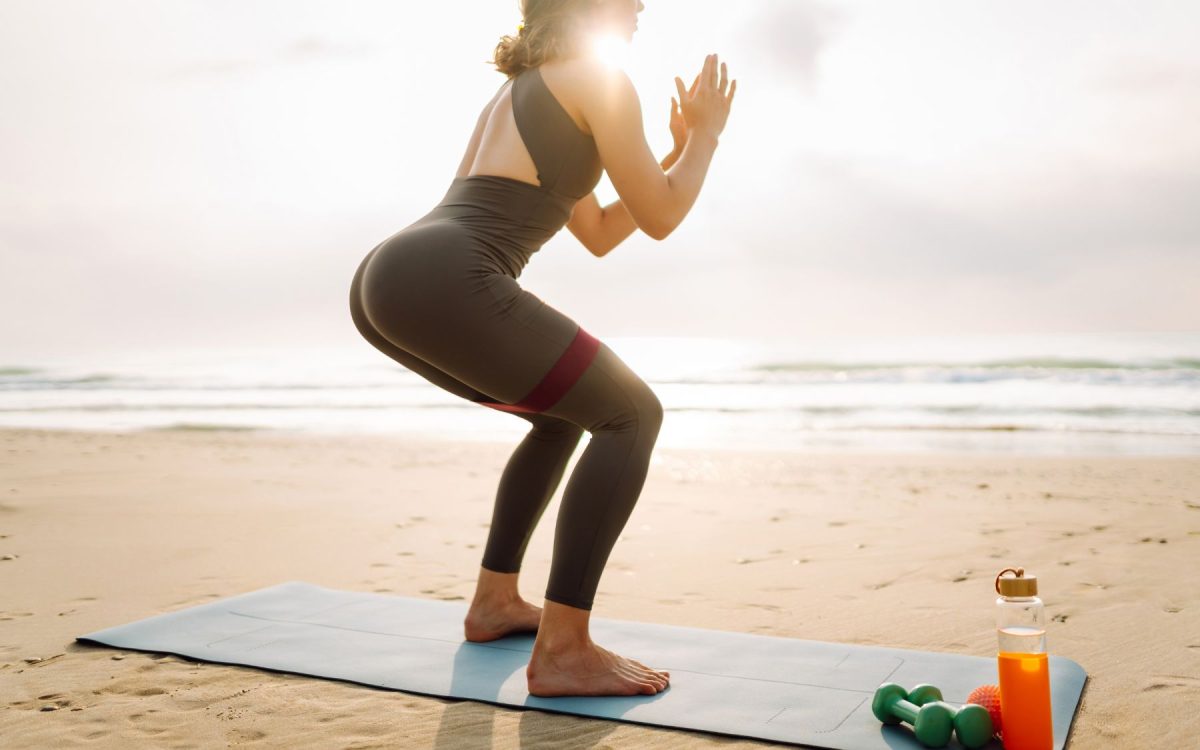
  • Squats
  • Bird dogs (simple and great for your core!)
  • Standing kick-backs at the kitchen counter
  • Tricep dips while running a bath!

4. 10 Minute Strength Workout

Short workouts are a great alternative especially when time is tight. Here’s one of my favourite, simple 10 minute strength circuits you can do in your living room – no equipment needed. Try to go from one exercise to the next but do take a rest in between if needed.

  • Squats – 1 minute
  • Press ups – 1 minute 
  • Glute bridges – 1 minute
  • Plank – 1 minute
  • Alternate reverse lunges -1 minute
  • Tricep dips (use a sturdy chair) – 1 minute
  • Mountain climbers – 1 minute
  • Bicycles – 1 minute
  • Deadbugs – 1 minute
  • Crunches – 1 minute

5. Stretch and Mobilise

Even if you can’t fit in a full workout or you’re feeling low in energy, a short stretch session can really help your mood and relieve tightness in your muscles and improve flexibility.

  • Downward facing dog
  • Bird Dogs
  • Arm circles
  • Glute bridges 
  • Cat-cow stretches
  • Hip circles and gentle lunges

Final Thought

This week doesn’t need to be perfect, and it doesn’t need to look like your usual routine. A few intentional moments of movement, alongside positive self talk throughout each day, will support you in how you feel both on the inside and out. These small choices support your energy, your mood, and your body, allowing you to move through the week feeling steadier and more resilient.

Choose what feels supportive and works for you and keep it simple!

As always, if you have any questions please do get in touch.

Caroline x
A Strength Mindset: How to Support Your Body Through the Festive Season

Christmas is a time of celebration, family, and indulgence. For many of us, especially in midlife,  it can also bring fatigue, stress and a sense of being pulled in a thousand directions. Between family and work (plus those never ending social commitments!), festive preparations and travel, it’s easy to let routines slip and feel disconnected from your body. Now is the time to be mindful of your body by setting small achievable goals to support your mind and body through the festive fatigue.

Amid the hustle and bustle that December brings, prioritising your body’s needs – getting outside, nourishing foods, protecting your nervous system, and ensuring quality sleep – can make all the difference. Being mindful of how these elements can affect us will allow you to enjoy the festive season fully, keeping your body strong and your mind calm.

The Power of a Daily Walk

Getting outside first thing in the morning is one of the most powerful yet simple habits you can build. Circadian rhythm plays a vital role in sleep quality, hormone balance, digestion, and overall energy levels. Just 15-30 minutes of gentle cardio and daily steps, ideally outdoors in natural light, can set your mind and body up for a calmer, more positive day. I walk my dogs every day, a short walk can make such a difference. Make walking a priority this festive season!

Nourishing Your Body 

Delicious meals and treats are all part of the festive fun! For women in midlife, changes in metabolism, digestion, and hormone balance mean that rich or heavy meals can sometimes leave you feeling sluggish. Supporting your digestion doesn’t mean restriction (treat yourself to chocolate!). It’s about simple strategies that help your body feel balanced and energised.

Protein and Fibre

  • Protein will keep you feeling full, stabilise blood sugar and support muscle repair & growth.
  • Fibre rich foods like vegetables and whole grains support the gut – keep a bowl of nuts and fruits close by to avoid snacking on foods that are likely to be heavier (swap the cheese for almonds).

Hydrate

  • Take note of your daily water intake! Foods in the festive season can be high in salt which draws water from your body – drinking water helps your body process sodium
  • Peppermint, green, or chamomile herbal teas are great for digestion and reduce bloating after large meals (something to remember all year round)

Support Your Nervous System

Stress can lead to a hyperactive nervous system which can leave us feeling tired and irritable. (Remember that alcohol too can worsen anxiety/stress symptoms and disrupt your sleep) Keeping your nervous system in check during the festive period will improve your mood, it also will support digestion and sleep.

Tips to keep your nervous system balanced:

  • Gentle breath awareness –  If you feel anxiety rise, sit calmly for 2-5 minutes and practice breathwork. This will signal your body to relax, lowering heart rate and reducing cortisol levels
  • Move with intention: Gentle strength and mobility exercises calm nervous system responses, it also eases bloating after heavy meals. If you have the time, take a yoga class (check out Amber’s brilliant 30 minute yoga sessions on the Caroline’s Circuits platform)

Prioritise Sleep

I can’t emphasise enough how important a good night’s sleep is especially in midlife and during this period! Prioritising my sleep really is a non-negotiable for me – I use Dreem Distillery products alongside my ARTAH Essential Magnesium which support my sleep routine.

  • Keep a consistent bedtime through the festive period (I appreciate this is not always possible!) and wake up before everyone else – set aside 5 minutes just for you 
  • Again, it’s not about restriction – it’s about prioritising. Avoid alcohol and soft drinks past a certain time to support your sleep and movement in the day will help your sleep patterns too
  • Set a bedtime ritual – gentle stretching beforehand, less screen time, a relaxing bath, a warm drink (milk and vanilla essence is great)

Final thoughts

Christmas can be busy and even a little overwhelming – it can also be a time to practice listening to your body, protecting your energy, and nurturing your nervous system. You absolutely can enjoy all of the festivities and still feel energised, balanced and on top form. This season, choose presence over perfection – create an environment that works for you and supports you in feeling your best. 

As always, any questions please do get in touch

Caroline x

Winter Proof Your Joints: A 10 Minute Warm Up Routine

Have you noticed your joints feeling a little more achy in the winter months? You’re definitely not alone. Many of us, especially in midlife, feel the cold more intensely in our joints. Whether it’s morning stiffness or the knees protesting during the first squat of the day! Winter can be especially tough on joints if you have arthritis or previous injuries too. Regular exercise keeps joints flexible and reduces stiffness. Low impact activities such as walking, swimming, cycling or yoga are ideal in the winter months and even gentle stretching throughout the day can help.

Taking 10 minutes to properly warm up in winter before your session is imperative and can be the difference between a strong, energised workout and a session where everything can feel stiff or more achy in our bones. Warming up reduces the risk of injury and helps you recover faster. It keeps you moving with confidence – which is exactly what midlife fitness (particularly strength training!) is all about: staying active long term, not just for today.

Cold weather doesn’t have to sideline your training or leave your joints feeling painful. The quick and effective 10 minute warm up I have included further down in this blog will help you increase blood flow, enhance mobility, and give your joints the protection they need to carry you through winter workouts safely.

Why Joints Feel Stiffer in Winter

As we move through our 40s, 50s and beyond, joints naturally become more sensitive. When temperatures drop, blood vessels tighten and less warm blood reaches our muscles and connective tissues, causing our joints to feel tighter until we get moving. In midlife, this becomes more noticeable due to natural changes in the body. 

Declining hormones can affect inflammation, collagen, and joint cushioning. Muscle mass gradually decreases, reducing the support that protects our joints with cartilage wearing down over time. Tendons can also lose some elasticity, especially in the cold. All of this makes stiffness a normal side effect, but it also makes warming up essential – movement helps the joints by increasing circulation, preparing the body to move better.

Supplements & Diet to Support Your Joints

As always, it helps to take a 360 approach. Aside from warming up particularly in the winter months, supplements, an anti-inflammatory diet, plenty of rest and recovery, and staying well hydrated all combine together to keep your joints feeling supported through midlife.

Diet:

  • Focus on anti-inflammatory foods: leafy greens, berries, oily fish, olive oil, nuts, seeds, ginger.
  • Stay consistently hydrated to support the fluid that keeps your joints moving smoothly. It can be helpful to set a daily water intake goal. 

Supplements:

  • Turmeric shots: these can help reduce inflammation and joint stiffness. I love The Turmeric Co shots and have had a shot every day for years which have really helped my knees and hips especially.
  • Magnesium: Helps ease muscle tension around the joints and great for sleep! ARTAH Essential Magnesium is a staple for me…
  • Vitamin D: Important in winter for bone and joint health.
  • Collagen: Supports cartilage and connective tissue. Ingenious Collagen is my go to collagen brand (currently sold out – back in stock soon!).
  • Omega-3s: Helps manage inflammation.

The 10 Minute Winter Proof Warm Up 

This routine is gentle but effective. It boosts circulation, loosens stiff joints, activates the muscles and helps you move into your workout feeling ready. You can do this warm up wherever suits you and it is great for you to do on rest days too!

1. Prepare the Body (2 minutes)

Elevate your heart rate, prepare your body for movement and boost circulation and warmth into your muscles and joints.

Try:

  • Marching on the spot with big arm swings
  • Low impact side steps
  • Light jogging

Move with intention. Think of this phase as waking everything up gently rather than powering through it. A warm shower can also help before warming up!

2. Loosen the Joints (4 minutes)

Neck & Shoulders

  • Slow shoulder circles
  • Arm circles (start small, grow bigger)

Torso

  • Light torso twists to ease stiffness in the spine
  • Side bends

Hips & Knees

  • Gentle hip circles (these feel amazing first thing in the morning)
  • Leg swings front/back and side/side
  • Slow squats
  • High knee marching

Ankles

  • Ankle circles – essential for anyone who walks or runs
  • Heel-to-toe rolls to wake up your calves

3. Activate Key Muscles (3 minutes)

Strong muscles protect joints, especially in midlife. This part of the warm-up “switches on” the areas we rely on most: glutes, core, hips, and thighs.

Glutes

  • 10 – 15 glute bridges
  • Standing hip extensions

Core

  • Bird dog
  • Pelvic tilts

Legs

  • Slow bodyweight squats
  • Reverse lunges

4. Dynamic Stretching (1 minute)

Finish with movement-based stretches to lengthen muscles 

Try:

  • Walking lunges
  • Hamstring sweeps
  • Arm cross body swings

A Few Winter Training Reminders…

1. Layers matter more than you think.

Wearing an extra layer while warming up makes the routine twice as effective. Once you feel warm, take it off. 

2. Your joints want movement – not perfection.

You don’t have to train hard every day. Consistency and gentleness are more important than intensity. Ensure you spend time on rest & recovery in your weekly fitness routine.

3. Pain is a message, not an obstacle.

If something feels painful, pause, reset and take a low impact option – it’s important to listen to your body and be responsive here.

Why Strength Training is Key for Joint Health

Strength training isn’t just about building muscle, it’s one of the best ways to protect and support your joints. Did you know by activating the muscles around your hips, knees, shoulders, and spine, you:

  • Stabilise joints, reducing stress on bones and connective tissues.
  • Improve joint alignment and control, helping prevent irritation and injury.
  • Increase blood flow, warming muscles and tissues.
  • Boost circulation, synovial fluidyour body’s natural joint cushioning.
  • Enhanced flexibility making everyday movement easier and more comfortable.

Final thoughts

Taking just 10 minutes to warm up properly in winter can make all the difference. Strength training and mindful movement activate the muscles that support your joints, increase circulation, and keep your body moving efficiently – especially in the cold. By prioritising these small habits, you reduce injury risk, recover faster, and stay confident in your movement. Warm up correctly to move well, and let your joints carry you through winter with ease.

As always – any questions, get in touch.

Caroline x