Strength Training for Better Posture in Midlife Women
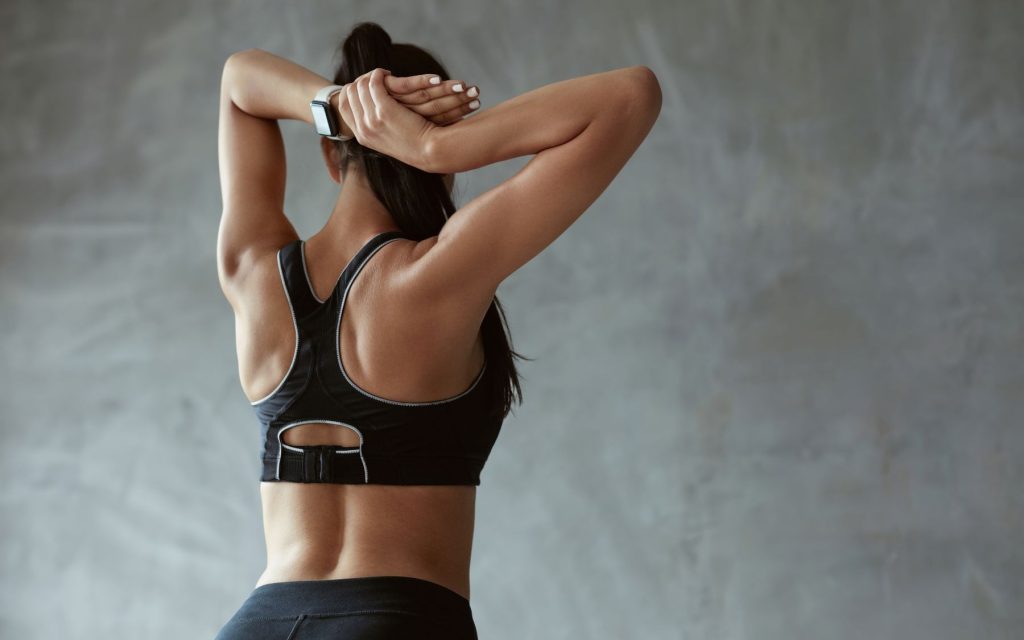
As we move through each life stage, changes in posture can happen gradually and go unnoticed. You may find yourself slouching more, experiencing stiffness in your neck and shoulders or dealing with recurring back pain. While these changes are common, they aren’t inevitable. Particularly during and after menopause we naturally lose muscle mass and strength which can lead to weakened muscles that are responsible for supporting good posture. When the muscles, core, back, hips and shoulders become weaker, the body can struggle to maintain proper alignment. This can result in rounded shoulders, a forward head position and increased strain on the lower back. One of the most effective ways to improve posture and support overall health during midlife is through strength training.
What Can I Do To Improve My Posture?
Strength training targets the muscles that support the spine and keep the body upright. By building strength in key areas, you create a stronger foundation for better posture and more efficient movement.
The Core
Your core acts as a natural corset for the body. Strong abdominal and deep stabilising muscles help support the spine, reducing stress on the back and improving posture throughout the day.
Try: Dead Bugs. I include these in many of my classes! The dead bug is a simple but effective exercise that strengthens the deep core muscles responsible for spinal stability while teaching the body to maintain a neutral posture during movement. You can do them weighted or with just your body weight.
The Upper Back
Exercises that strengthen the upper back and shoulders (posterior deltoids especially) help counteract the effects of sitting and screen use. These muscles work to pull the shoulders back and encourage a more upright position.
Try: Resistance Band Rows. All you need is a band, you could also do this with dumbbells. Rows strengthen the muscles between the shoulder blades, helping to reverse rounded shoulders and support a taller, more open posture.
Hip and Glute Strength
Strong glutes and hips help maintain proper pelvic alignment, which plays a significant role in posture and lower back health.
Try: Glute Bridges. This exercise activates and strengthens the glutes, helping to support the pelvis and reduce excessive strain on the lower back – you can also add a band.
Balance and Stability
Strength training improves body awareness, coordination and balance, helping you move with greater confidence and reducing the risk of falls.
Try: Single-Leg Stands. Standing on one leg challenges balance and strengthens the stabilising muscles around the ankles, knees, hips and core, all of which contribute to better posture and stability. There are lots of single leg exercises which are excellent for improving balance – reverse lunges are another alternative here.
The Benefits Extend Beyond Posture
While standing taller is a noticeable benefit, strength training offers much more for midlife women.
Reduced Aches and Pains
Improved muscle strength can help relieve tension in the neck, shoulders, and lower back by reducing the strain placed on joints and connective tissues.
Increased Bone Health
Many of you may not know that resistance training helps stimulate bone growth and maintain bone density, making it an important tool in reducing the risk of osteoporosis. While my classes aren’t designed specifically for those with osteoporosis, we do have members on the platform who have been diagnosed and comment on how these circuits have improved their condition and overall joint health.
More Energy and Confidence
Poor posture can be surprisingly tiring. When your body is out of alignment, muscles have to work harder just to keep you upright, often leading to tension, aches, and fatigue. Strength training helps create a stronger support system, allowing you to move more efficiently in daily patterns. Many women notice they not only stand taller, but also feel more energetic throughout the day.
As posture improves, so often does confidence. Standing tall isn’t simply about appearance – it reflects strength, self-assurance and feeling comfortable in your body. When you feel strong and supported that confidence tends to show up in every area of life.
Improved Mobility
A stronger body moves more efficiently. Strength training helps maintain mobility, flexibility and independence as you age.
Getting Started
Three to four strength training sessions per week can make a significant difference. Focus on exercises that strengthen the whole body, including:
- Squats
- Rows
- Deadlifts
- Glute bridges
- Resistance band exercises
- Core strengthening movements
Start with a weight that feels manageable and focus on good technique. Consistency is far more important than lifting heavy weights! See a recent blog here on how you can get started if you’re unsure where to begin…
A Final Thought
Good posture is about creating a strong, resilient body that supports you through everyday life. As we move through midlife, strength training becomes one of the most valuable tools we have for maintaining mobility, reducing aches and pains, protecting our bones and preserving our independence.
It’s never too late to start! Small, consistent efforts will lead to meaningful improvements in how you move, feel and carry yourself. Remember that every workout is an investment in your long-term wellbeing.
As always, any questions please do get in touch.
Caroline x