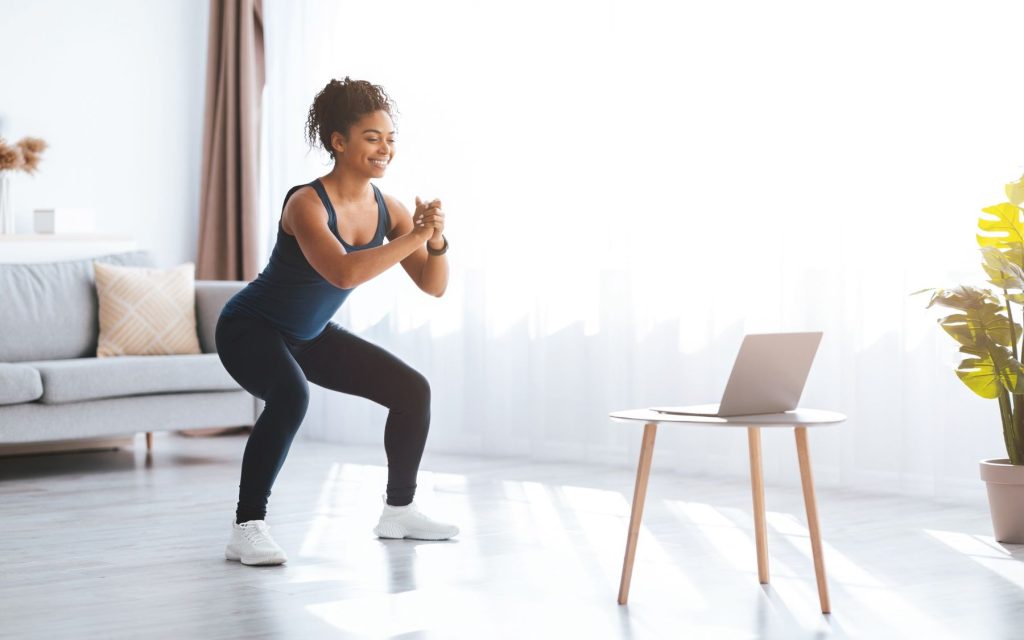
Got 10 Minutes? Why Short Bursts of Movement Matter
We often think of exercise as something that needs to be planned and while structured exercise is incredibly important, research shows that shorter bursts of movement throughout the day have a valuable role to play too. These short bursts are sometimes referred to as “exercise snacks” – brief periods of purposeful activity that are fitted into the day rather than completed as one longer workout. With World Diabetes Day on 14th November, it’s also a good opportunity to look at one of the less visible benefits of being active: the role movement plays in our metabolic health and the way our bodies manage glucose.
Why Short Bursts of Movement Count
For many years, exercise recommendations focused on accumulating activity in longer, continuous sessions. We now know that physical activity doesn’t have to be completed in a particular length of time to be beneficial. What matters is our overall activity and, importantly, reducing the amount of time we spend completely inactive. Current physical activity guidelines encourage adults to be active every day, with a weekly target of at least 150 minutes of moderate-intensity activity or 75 minutes of vigorous activity, alongside muscle-strengthening exercise on at least two days each week. They also recommend reducing prolonged periods of sitting and breaking them up with activity wherever possible. See here for recent notes from the NHS.
This is where short bursts of movement can be particularly useful. They are not intended to replace a structured exercise programme, but they can increase our overall activity and provide a realistic way of moving more throughout the day. If you have 10 minutes, brilliant. If you only have five, use five. The important message is that some movement is better than none.
Why Breaking Up Sitting Matters
Even if you exercise regularly, it is still possible to spend a large part of the day sedentary. We might complete a workout first thing in the morning and then spend hours sitting at a desk, driving, travelling or relaxing in the evening. Higher levels of sedentary behaviour are associated with poorer health outcomes, including an increased risk of cardiovascular disease and type 2 diabetes. This is why both UK and international physical activity guidance recommends limiting sedentary time and, where possible, breaking up long periods of inactivity with movement. Getting up to make a drink, walking around while taking a phone call, using the stairs or going outside for a short walk all reduce the amount of uninterrupted time we spend sitting.
Movement, Muscles and Blood Sugar
Our muscles do far more than make us stronger. Skeletal muscle also plays an important role in metabolic health and glucose regulation. When we eat carbohydrates, they are broken down into glucose, which enters the bloodstream. The hormone insulin helps glucose move from the blood into our cells, including our muscle cells, where it can be used or stored for energy. You can read more about this here.
When muscles contract during physical activity, their demand for energy increases. This is one of the mechanisms through which exercise helps the body manage glucose. Research into breaking up prolonged sitting has found that short bouts of activity (particularly walking and resistance-based movement) can improve the body’s glucose response following meals. This is especially interesting because it shows that the benefits of activity are not confined to a traditional workout. Simply using our muscles more frequently during the day can have an effect.
That doesn’t mean a 10-minute walk will prevent or treat diabetes and exercise is only one part of metabolic health. It is however a useful reminder that regular movement has benefits that go well beyond fitness or weight management. You can read more about this here.
What Could an “Exercise Snack” Look Like?
The great thing about short bouts of activity is that they don’t need complicated equipment, lots of space or a change of clothes. The aim is to find small opportunities to use your muscles and raise your activity levels during a day that might otherwise involve a lot of sitting.
- Take a quick walk after a meal. Instead of sitting down immediately after lunch or dinner, head outside and get your legs moving.
- Use the stairs. A few trips up and down the stairs provide a quick burst of activity and get some of the largest muscles in the body working.
- Pick up your weights for 10 minutes. Choose a few simple exercises such as squats, rows, shoulder presses and lunges and work through them for a short session.
- Break up your working day. If you spend long periods at a desk, stand up regularly, walk around the house or office, or do a few bodyweight movements before sitting back down.
- Walk while you talk. Phone calls are a very easy opportunity to add movement without finding extra time in your day.
- Try one of my shorter workouts. If 30 minutes isn’t possible that day, a 10- or 15-minute session still gives you an opportunity to work your muscles and maintain the habit of exercising. I’ve recently shared two series of 10-minute classes specifically to make it easier to fit strength training into busy days. You can do just one class when time is tight, or pick and mix different sessions to build a longer workout. I’ve also recently introduced a new posture class, giving you another option to incorporate purposeful movement into your routine.
Short Bursts Don’t Replace Strength Training
I’m always going to encourage you to strength train! Short bursts of activity are a fantastic addition to our daily routine, but they serve a slightly different purpose from a progressive strength programme. Regular resistance training challenges our muscles sufficiently to help maintain and build strength. This becomes increasingly important as we get older, when maintaining muscle mass, bone health, balance and physical function should all be priorities.
Think of your regular strength workouts as the foundation. Shorter bursts of movement can then fill some of the gaps between those sessions, helping us spend less of the day sedentary and increasing our overall activity. You don’t have to choose between the two.
This was very much the thinking behind my recent 10-minute workout series shared on Caroline’s Circuits. I wanted to give you the flexibility to keep strength training as part of your routine and the motivation too. 10 minutes might be all you can manage, and that’s absolutely fine. On other days, you might have 20 or 30 minutes and can combine a few classes to create your own workout.
Small Amounts Add Up
One of the most useful things about this approach is that it removes the “all or nothing” mentality around exercise. A busy day doesn’t automatically have to become a day with no movement at all. Three 10-minute periods of activity across a day give you 30 minutes of additional movement. Five minutes here and there may not feel significant at the time, but repeated consistently across a week, a month and a year, it becomes part of a much more active lifestyle.
A Final Thought
This week, take a look at your normal routine and identify where you could add a little more movement. Could you walk for 10 minutes after lunch? Get up from your desk more frequently? Take the stairs? Pick up your weights while dinner is cooking? Or fit in one of my 10-minute classes when you have a spare moment? Your regular workouts still matter – hugely – but so does everything you do in between them.
If you’ve got 10 minutes, use them. Keep moving, keep using your muscles and remember that it all counts!
As always, if you have any questions, please do get in touch.
Caroline x