Fit, Active… But What About Your Cholesterol?
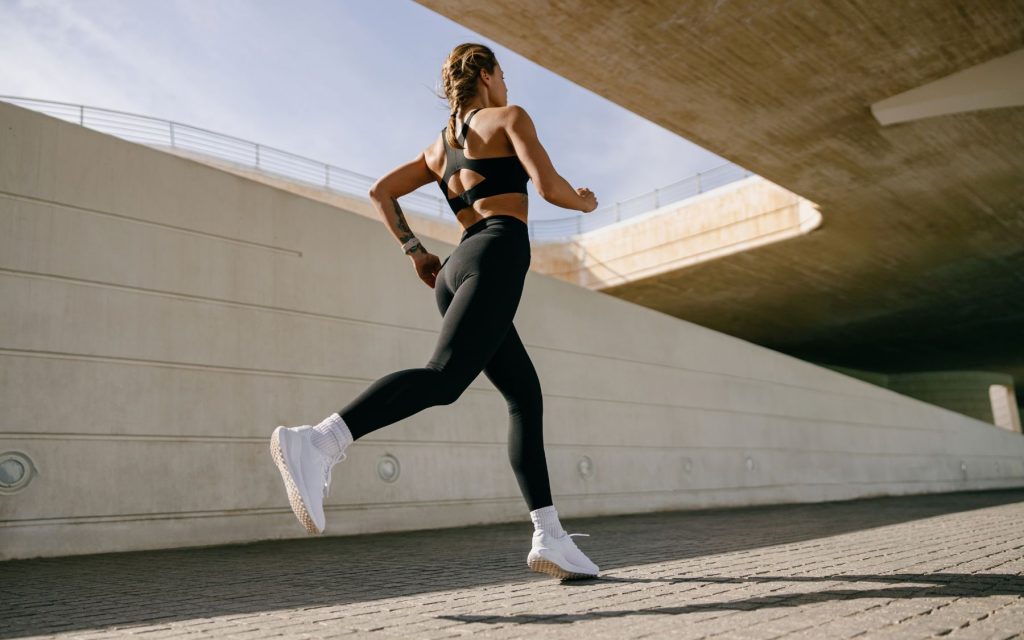
If you exercise regularly, chances are you feel like you’re doing a pretty good job of looking after your health – and so you should! Maybe you strength train a couple of times a week, get your steps in, try to eat well and generally keep yourself moving. When you’re doing all of that, it’s easy to assume that your heart health will naturally reflect your healthy lifestyle.
When was the last time you thought about your cholesterol? Cholesterol isn’t something we always associate with being fit and active. We often think of high cholesterol as something that only affects people who don’t exercise or who have an unhealthy diet. It’s not quite that simple. Being fit and active is great for your heart, but it doesn’t automatically mean your cholesterol levels are where they should be. Diet and exercise matter, but other factors – including our genetics – can play a part too.
October is National Cholesterol Month and HEART UK has launched their campaign “Swap the Scroll for a Stroll!” The idea is simple: swap some of the time we spend sitting and scrolling for walking and movement. HEART UK is encouraging people to take on a walking challenge during October, with the option to walk 50, 100 or 150 miles over the month. It’s also a great reminder for a heart-health check in.
So, let’s have a look at cholesterol, why it matters and some of the simple swaps we can make to look after our hearts and our health.
What is cholesterol?
Cholesterol is a waxy, fatty substance that our bodies use to build cells and make certain hormones and vitamin D. According to Harvard Health Publishing, the liver generates approximately 80% of the cholesterol your body needs to function and the remaining 20% comes from the foods we eat.
An interesting fact that many of us don’t know is that while cholesterol is typically thought of negatively, our bodies actually need a healthy amount of it too.
Your body uses cholesterol to:
- Build and maintain cell membranes, which surround every cell.
- Make important hormones, including cortisol, estrogen, progesterone and testosterone.
- Produce vitamin D when your skin is exposed to sunlight.
- Make bile acids, which help you digest and absorb fats.
The problem is not cholesterol itself. It’s having too much of certain types of cholesterol in the blood, which can contribute to fatty deposits building up inside the arteries. Over time, this can increase the risk of cardiovascular disease, including heart attacks and strokes.
Good & Bad Cholesterol
You’ve probably heard cholesterol described as “good” or “bad”. Cholesterol needs to travel around the body in the blood, so it’s carried by particles called lipoproteins. Two you’ll often hear about are LDL and HDL.
- LDL is commonly referred to as “bad cholesterol”. We need some LDL, but higher levels mean more cholesterol is circulating in the blood, where it can contribute to fatty deposits building up in the walls of the arteries over time.
- HDL is often called “good cholesterol”. It helps transport cholesterol away from tissues and back to the liver, where it can be processed and removed / recycled.
You might also come across the term non-HDL cholesterol. This includes the cholesterol carried by LDL and other particles that can contribute to fatty build-up in the arteries, so it can be useful when looking at cardiovascular risk.
Did you know…
We can sometimes assume that because we exercise, eat reasonably well and feel healthy, our cholesterol must be fine. Unfortunately, it doesn’t work quite like that. There are lots of factors that influence cholesterol. Diet and physical activity are certainly part of the picture, but genetics can play a significant role too. Some of us inherit conditions such as familial hypercholesterolaemia, which can cause very high cholesterol from a young age. Your genes can play a part in your cholesterol levels. But here’s something you might not realise – you can have high cholesterol and feel absolutely fine.
Fit? ✓
Strong? ✓
Active? ✓
High cholesterol? Possibly.
You might run, cycle, walk, hit the gym and generally feel great – but that doesn’t necessarily mean your cholesterol is in a healthy range. High cholesterol usually doesn’t come with obvious symptoms. That’s why it’s often called a “silent” risk factor. You can’t see it or feel it and you can’t tell what your cholesterol level is just by looking in the mirror. The only way to really know? Get it checked! You can read more about cholesterol levels here via the NHS too.
What should I be eating?
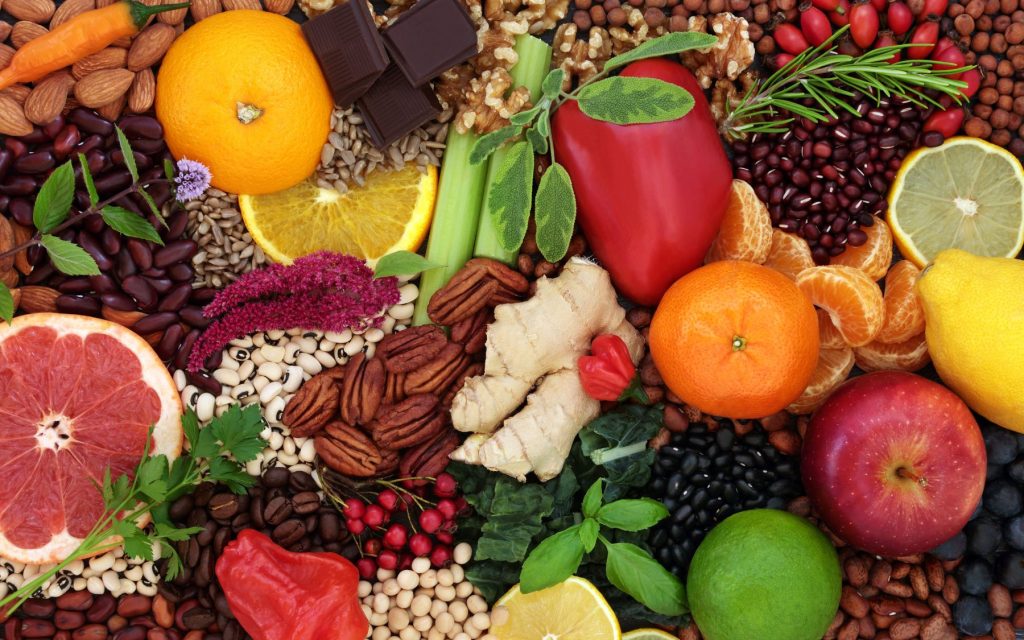
Rather than thinking about cholesterol as another long list of things you can’t eat or things you should be doing, think about the positive changes you can make. The NHS recommends reducing foods high in saturated fat and replacing some saturated fats with unsaturated fats. Foods such as oily fish, nuts, seeds, wholegrains, fruit and vegetables can all form part of a healthy diet.
For example, when it comes to food, you could consider swaps such as:
- Butter – olive or rapeseed oil
- Processed meats – fish, beans, lentils or leaner cuts of meat
- Some high-saturated-fat snacks – fruit, nuts or seeds
- Refined grains – wholegrain versions
- Creamy sauces – tomato or vegetable-based sauces
- Full-fat dairy products – lower-fat alternatives where appropriate
The aim isn’t to remove every food you enjoy from your diet. It’s about looking at your overall eating pattern and finding realistic ways to reduce saturated fat while including more foods that support a heart-healthy diet.
I eat a plant-based diet – can I still have high cholesterol?
Yes, you can. Eating a plant-based diet can be great for your heart, particularly when it’s rich in vegetables, fruit, wholegrains, beans, lentils, nuts and seeds. But being plant-based doesn’t automatically mean your cholesterol will be in a healthy range. While plant foods themselves don’t contain cholesterol, some can be high in saturated fat, which can raise “bad” cholesterol.
Coconut and palm oils are particularly high in saturated fat and can crop up in foods such as vegan cheese, plant-based butter, coconut milk, coconut yoghurt, desserts and some meat alternatives. So something being labelled “vegan” or “plant-based” doesn’t necessarily mean it’s heart-healthy. A well-planned plant-based diet can be very heart-friendly. Focus on plenty of whole plant foods and fibre and choose sources of unsaturated fats such as nuts, seeds, avocado and olive or rapeseed oil more often.
Your movement matters!
This is where the HEART UK campaign caught my attention. We know that being physically active is important for cardiovascular health, and regular activity can also help with some of the factors that influence your cholesterol and overall cardiovascular risk.
Strength training is an important part of maintaining muscle and physical function as we get older, and the NHS recommends muscle-strengthening activity on at least two days a week. NHS – Physical activity guidelines for adults
Could you walk during a phone call? Could you get outside at lunchtime? Could you take the stairs? Could you walk to the shops rather than drive? Could you go for a walk after dinner instead of immediately sitting down with your phone? These things might seem insignificant compared with a workout, but they are all ways of making your day more active.
Small swaps to think about:
So, what could you actually change this month? Have a look at your normal routine and see where you could make a few simple swaps:
- Swap 20 minutes of evening scrolling for a walk.
- Swap a short car journey for walking when practical.
- Swap sitting through a phone call for walking around.
- Swap butter for olive oil, swap some processed meat for fish, beans or lentils.
- Swap some refined carbohydrates (white bread, white rice, many breakfast cereals and foods made with white flour) for wholegrain alternatives.
- Swap an episode of your favourite tv show for an early night (sufficient rest is always important).
- Swap “I’ll get my cholesterol checked one day” for actually finding out when you’re due a check (or book it in regardless!).
A Final Thought
Your cholesterol levels are just one part of the bigger picture when it comes to your heart health, alongside factors such as your age, blood pressure, lifestyle, family history and other health conditions. It’s about doing the things that make a difference consistently – moving your body, eating well most of the time, getting enough sleep and paying attention to the things you can’t necessarily see or feel.
If you’re already active, keep going! Every walk, workout and bit of movement counts. But don’t let feeling fit and healthy give you a false sense of reassurance about your cholesterol. High cholesterol can affect active people too and factors such as genetics and family history aren’t something you can out-train. So perhaps National Cholesterol Month is a good opportunity to do two things: move a little more and learn about your cholesterol. Swap the scroll for a stroll. Make a few heart-healthy swaps where you can. And, if you don’t know your cholesterol levels, consider getting them checked.
As always, any questions please do get in touch.
Caroline x