It’s Not What You’re Eating, It’s Why
Written by Laura Clark
By the time we reach midlife, no doubt we have a few stories we tell ourselves. If Caroline and I had been at school together I reckon I would have been terrified of her on the netball court.
As, whilst surviving all that the 90s threw at us, I was also totally hapless at catching any balls – I lacked skill, coordination and basically any form of physical prowess.
Stories I told myself at school, have shaped my relationship with physical activity my whole life. Thankfully, through kind and compassionate coaches like Caroline, we’re given an opportunity to find our way with training in the least intimidating way.
We meet our glutes, have a conversation with them, and realise they’ve literally held us up all these years. It’s now time to strengthen them, and release their power, but on our own terms.
The stories we tell ourselves tend to shape our habits around food and exercise, and in a professional capacity as a dietitian and food therapist, I’m keen to explore the food bit. Often there’s something about eating that doesn’t feel as straight forward as following a training plan.
Our relationship with food is a complex blend of our biology, psychology and environments. What starts as a simple conversation – ‘Hey Laura, I’m so confused about food, please tell me what to eat’, becomes a curious journey to discovering connections between our thoughts and our habits that we never knew existed.
The trouble with the science of nutrition, is that there’s nuance (people and food are hard to study) and we are all unique in how we interact and process the food we eat.
When it comes to diet advice, we might be drawn to all-or-nothing approaches and food rules that sound compelling and, on the surface, straightforward to follow. Add to that the stories we’ve told ourselves for decades about not being able to trust our own choices, and it’s easy to see why outsourcing decisions to an app or someone else’s plan feels like the simpler option.
The trouble is it tends to box us in. We disconnect from the part of us that’s flexible and compassionate, and lean instead on the “harsh lady with the clipboard” — all rules, all standards, endlessly demanding more motivation. When willpower inevitably runs low, in comes the part wanting to rescue us, sometimes via the “what the hell effect,” sometimes just by letting us zone out for a bit. Pendulum between the two often enough, and recovery takes longer each time.
In Fit at 50, Caroline and I were passionate about eating and training as two separate, supportive pillars – neither competing with the other. Food doesn’t have to be burnt or earnt, and uncoupling “diet and exercise” tends to improve our relationship with both.
So, if we want our food to feel as empowering as those glute bridges, it might be time to change the story.
Here’s where I’d start:
Habits are information – because anything repeated must in some way be solving a problem. The things we judge ourselves for are very often trying to tell us something.
Take the classic 6pm kitchen scenario – walking in and immediately picking at food. It’s easy to decide that’s a willpower problem and ban snacks from the house. Or we could get curious instead. What did lunch look like? How long ago was that? Is this the first quiet moment of the day? Is food offering a transition between work and home – comfort, decompression, five minutes that belong to no one else?
Suddenly we see a behaviour that makes complete sense.
It’s also worth noticing what’s already going well – maybe you’re already great at getting protein in at breakfast, or vegetables always show up at dinner, or you’ve made peace with a biscuit, and it genuinely doesn’t throw you off course. Midlife is a great moment to take stock of our health with fresh curiosity – not because anything’s broken, but because it’s a natural point to notice what’s working, and where a little more support could help us feel even better.
Getting curious is key…
Next time you catch yourself thinking ‘why can’t I just eat better in the evenings’ – try resisting the urge to finish that sentence with a judgement. Stay with the why instead. What’s getting in the way? What need might this be meeting? Am I under-fuelled, overwhelmed, tired, bored, or just genuinely hungry?
There’s no correct answer. It’s simply about reconnecting with what’s happening underneath the habit, rather than immediately overriding it with a rule.
Just as good training doesn’t need to be complicated, neither does eating well. You don’t need to count calories or follow a plan to get ‘it’ right – just a rough checklist:
- Protein at every meal – supports muscle, keeps you fuller for longer, and matters more in midlife than ever
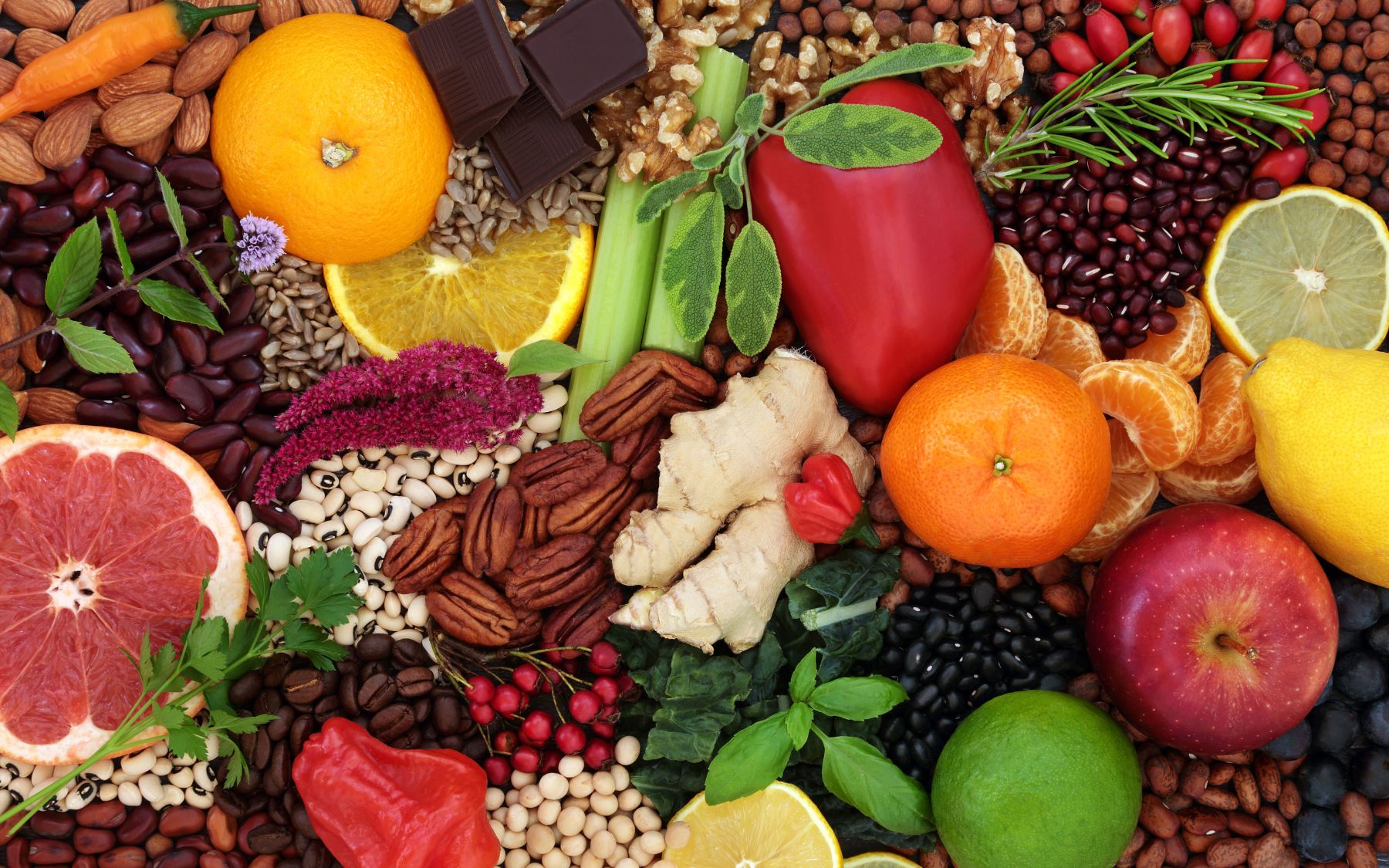
- Fibre from plants – vegetables, fruit, wholegrains, pulses – aim for colour and variety rather than perfection
- Carbohydrates, unapologetically – your brain and energy levels need them, and they allow protein to do the ‘building’, rather than having to be used as a fuel.
- Regular meals – skipping earlier in the day is often exactly what sets up that 6pm kitchen scenario in the first place
- Something satisfying – food you actually enjoy is key; satisfaction isn’t a bonus; it’s part of what makes eating well sustainable
Tick those boxes more often than not, and you’re doing the fundamentals well – no app, no plan, no rules required.
If you’d like support to create a more nourishing relationship with food, I can help you with that here.
If this blog has made you think, you might like my weekly newsletter – join my email community here.
Laura x