How Strength Training Protects Bone Density in Midlife
One of the most significant changes our bodies will experience in midlife is the gradual loss of bone density. Bone is living tissue, constantly being broken down and rebuilt, but as we age this balance shifts. The body begins to lose bone faster than it can replace it, a process that accelerates during perimenopause and menopause as oestrogen levels decline.
Because bone loss happens silently, many women are unaware it’s occurring until much later, often after a fracture or a diagnosis of conditions like osteoporosis. Yet bone density plays a crucial role in lifelong mobility, strength and independence. Strong bones support everything from balance and posture to our ability to stay active and resilient as we age.
This is where strength training becomes critically important. By placing controlled stress on the muscles, resistance exercise signals the body to maintain and strengthen bone tissue. Over time, this helps slow age-related bone loss and supports the structural strength the body relies on in midlife and beyond. Starting earlier in life can help build a stronger foundation, but incorporating strength training at any stage of midlife will still play a powerful role in protecting long-term bone health.
The Role of Strength Training
Unlike many forms of exercise that primarily improve cardiovascular fitness, strength training directly stimulates the bones and muscles that support the skeleton.
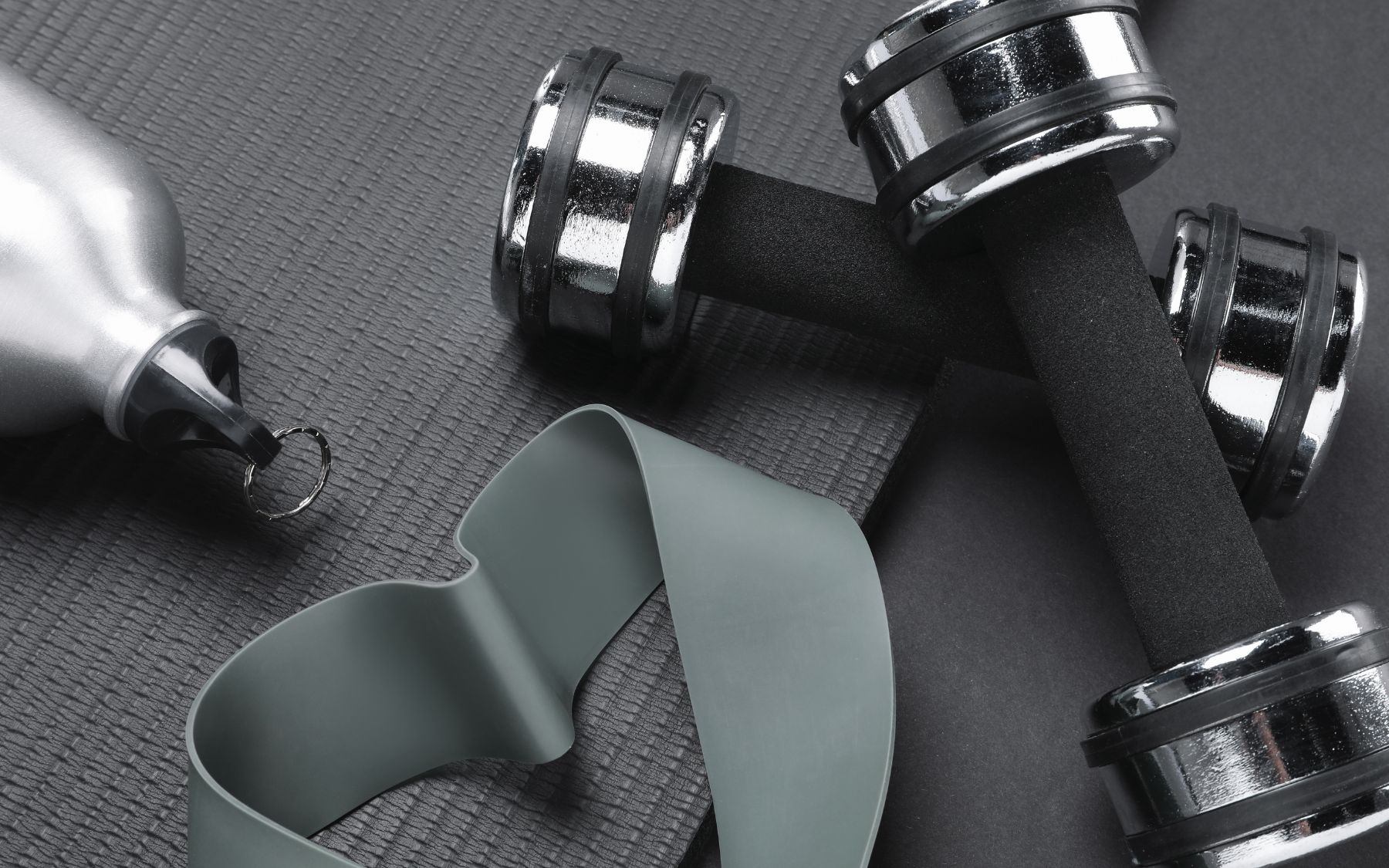
Strength training works by placing controlled, progressive stress on the body through resistance. This resistance can come from a variety of sources, including lifting dumbbells and kettlebells, using resistance bands, performing bodyweight movements such as squats and lunges to name a few. What all of these methods have in common is that they require the muscles to work against an external load.
When muscles contract during resistance exercise, they pull on the bones they are attached to. This creates small amounts of mechanical strain on the bone tissue. While this stress is completely safe and normal during exercise, it sends an important signal to the body: the bones need to stay strong in order to support these movements.
In response, bone cells are activated to reinforce the bone structure. Over time, the body adapts by increasing or maintaining bone mineral density, strengthening the internal architecture of the bones so they can better withstand everyday forces.
This process is known as bone remodelling, and it is one of the key reasons why strength training is so valuable as we age. Without regular loading through resistance exercise, the body receives fewer signals to maintain bone tissue, which can contribute to gradual bone loss over time. Consistent strength training helps counteract this process by encouraging the body to preserve and reinforce bone strength.
Just as importantly, strength training also builds and maintains muscle mass, which plays a vital role in protecting the joints and supporting the skeleton. Strong muscles act as a stabilising system around the body, helping to absorb impact and maintain posture, movement and balance.
Why We Should Start Early
In our younger years, the body is highly efficient at creating new bone tissue, and by our late 20s to early 30s we typically reach what’s known as peak bone mass – the highest level of bone density we will achieve in our lifetime. From that point onward, the goal shifts from building bone to maintaining as much of that strength as possible.
This is why starting resistance training earlier in adulthood can be so beneficial. When women engage in regular strength training in their 20s, 30s and 40s, they are effectively building a stronger skeletal foundation before the hormonal changes of menopause begin. Entering menopause with higher bone density means there is more “reserve” as the natural decline in oestrogen accelerates bone loss. In simple terms, the stronger the bones are before menopause, the more protection the body has in the decades that follow.
However, it’s important to understand that our bones are made up of adaptable tissue. The body continues to respond to mechanical stress even in midlife and beyond, which means resistance training during perimenopause or menopause can still have a meaningful impact when started later!
Research shows that strength training can help maintain or even modestly improve bone density, even when introduced in the 40s, 50s etc. The body responds to the same signals at any age: when muscles work against resistance and place load on the skeleton, bone cells are stimulated to strengthen and reinforce the structure.
What Types of Exercise Help Bone Density Most?
Low-impact exercise like swimming or cycling is excellent for cardiovascular health but doesn’t provide the same bone-building foundation. A balanced fitness routine includes strength, impact and mobility work. The most effective activities for bone health are weight-bearing and resistance exercises, such as:
- strength training with dumbbells or kettlebells
- bodyweight exercises (squats, lunges, push-ups)
- resistance band workouts
- impact movements like step-ups or light jumping
Does Consistency Matter?
Absolutely! When it comes to strength training we typically think that it needs to be extreme to be effective. Did you know our bones respond best to regular, repeated loading over time?
Two to three strength sessions per week is enough to support bone health and build strength. The goal is to aim for small, consistent efforts over time which will have a far greater impact than occasional intense workouts. Make sure to include your rest and recovery days (1-2 per week)!
A Final Thought
Bone health is something we often don’t think about until there is a problem, yet the habits we build in midlife play a major role in how strong and resilient our bodies remain in the decades ahead. Strength training is one of the most effective ways to support bone density, maintain muscle mass and protect long-term mobility. By regularly placing healthy stress on the bones and muscles, we give the body the signal it needs to stay strong.
Whether you have been strength training for years or are only just beginning, it’s never too late to start supporting your bone health. Small, consistent sessions each week can make a meaningful difference over time.
As always, if you have any questions please do get in touch.
Caroline x