Achy Knees in Midlife
As we move into our 40s and beyond knee aches become increasingly common. Natural changes – like reduced muscle strength (especially in the quadriceps), decreased tendon elasticity and a gradual decline in cartilage resilience can all affect how well the knees cope with daily activity. A key factor is the balance between the load placed on the joint and the support provided by the surrounding muscles. When the muscles around the knees and hips aren’t strong enough to absorb and distribute force effectively, more stress is transferred directly to the joint. This is where strength training becomes essential.
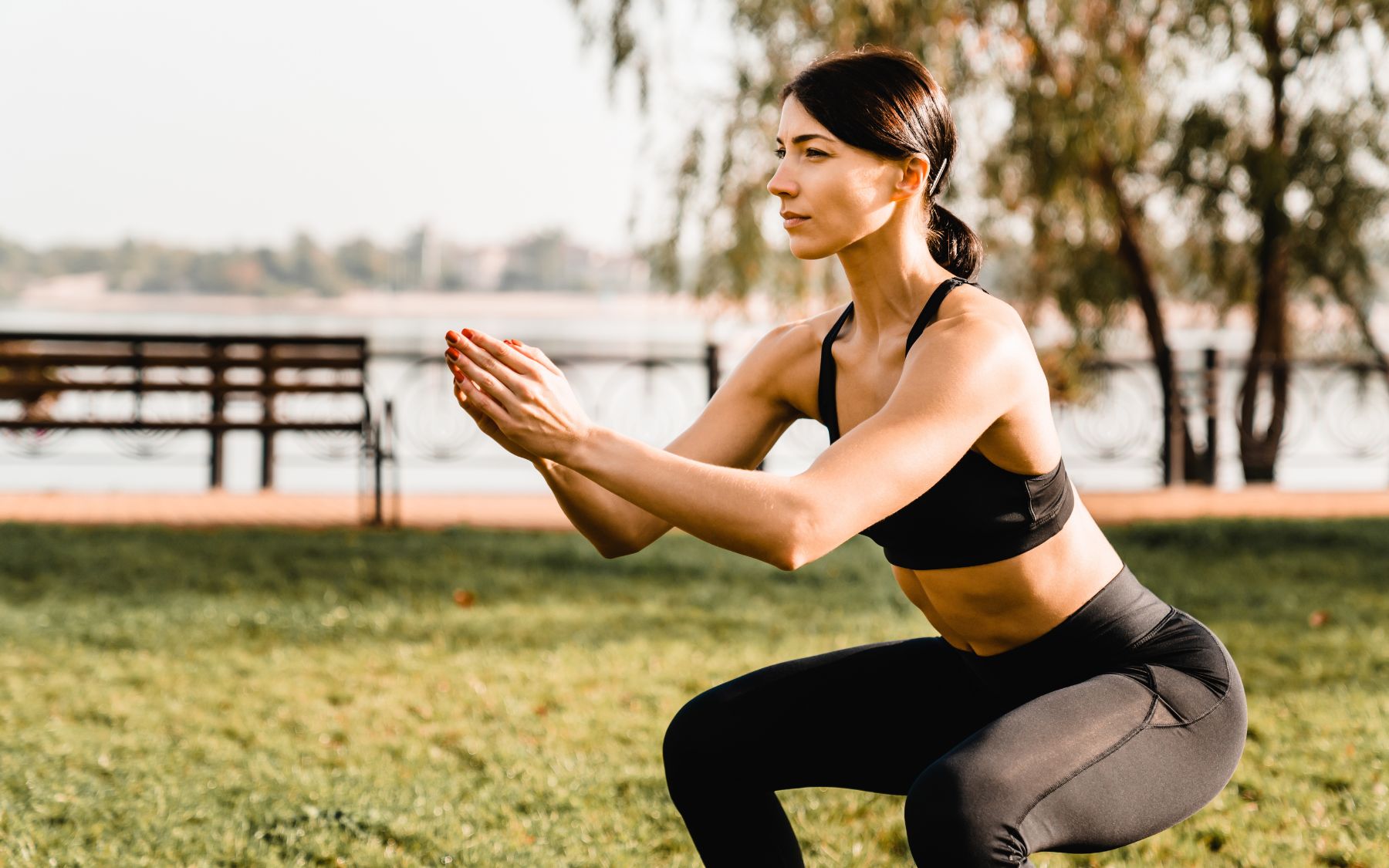
Building strength in the quadriceps, hamstrings and glutes helps stabilise the knee, improve alignment and reduce unnecessary strain. Targeted exercises – such as squats, lunges, step-ups, and controlled resistance work not only support the joint but can significantly ease discomfort and improve overall function. Just as important is continuing to move. Regular, progressive loading through strength training helps maintain cartilage health, supports joint integrity, and keeps the knees functioning well over time.
Why Are My Knees Aching?
One of the biggest factors to aching knees is muscle loss (known as sarcopenia). As we get older, we naturally lose strength, especially if we’re not actively maintaining it. If the muscles around your hips, thighs, and calves aren’t doing their job properly, your knee may not track as smoothly as it should. Over time, that can lead to extra strain and irritation, especially during everyday movements like walking or climbing stairs. Cartilage can become less resilient, and tissues may not tolerate stress quite as well. Long stretches of sitting, inconsistent activity or suddenly doing more than your body is used to (like a burst of weekend exercise) can all aggravate the knees.
Even things like wearing the wrong trainers, especially those that are worn out, unsupportive, or not suited to your activity, can affect how forces travel through your legs and into your knees. It’s often these small, overlooked factors, combined over time, that lead to that familiar, nagging ache.
How Does Strength Training Support Knee Health
Strength training is one of the best things you can do for your knees plus it can even help reduce knee pain.
1. It gives your knees more support
When the muscles around your knees are strong, they help take some of the pressure off the joint. Think of them as a natural support system that helps your knees handle everyday movements.
2. It helps your knees move better
Strength training can also fix small muscle imbalances that affect how your knees track during movement. For example, stronger glutes can stop your knees from collapsing inward when you squat or step down, which reduces extra strain on the joint.
3. It can actually reduce pain
Gradually (and slowly!) strengthening the muscles around the joint improves stability and function, which can lead to less pain over time.
What About Cardio?
You don’t need to cut out cardio completely. High-impact exercises like running or jumping can put extra strain on the knees, especially if they’re not well supported by surrounding muscles. By consistently incorporating strength training, you can build the stability and support your knees need – making it safer and more sustainable to continue with cardio!
What Should I Steer Clear Of?
Not all movement is helpful especially if your knees are already irritated. It’s easy to do too much too soon, like jumping from very little activity straight into intense workouts or long runs, which is a common trigger for knee pain. It’s also important not to focus only on the knee itself, because weakness in areas like the hips and glutes can often be the real issue. High-impact exercises such as running or jumping can make things worse if you don’t yet have the strength to support them. Poor technique can also add to extra strain. Remember to never work through pain when you are exercising – identify what is causing the problem and allow your body to recover fully and repair. Also remember to build up gradually with the weights you are using and bodyweight works too!
What Can I Do?
Start simple and keep it controlled. Exercises like squats, glute bridges and leg raises (either lying or standing) are great foundations – be sure to move with control rather than rushing through them. Good form matters more than adding weight, especially early on. Think about keeping your knees tracking in line with your toes! It’s also worth giving your hips and glutes some extra attention. When these muscles are doing their job properly, they take pressure off the knees. Exercises like clamshells, hip thrusts and side-lying leg work can really help improve stability.
Don’t skip mobility! Tight hips, hamstrings or ankles can all affect how your knees move and load. A few minutes of gentle stretching or mobility work alongside your strength training can make a noticeable difference. Above all, consistency beats intensity. Aim for a few short strength sessions each week and build from there.
Final Thoughts
Knee aches in midlife are extremely common – building strength around your knees, hips and glutes can make a real difference. Strong muscles help support the joint, improve how it moves, and can even reduce discomfort over time.
It’s not about pushing yourself too hard or doing more than your body is ready for, it’s about including small and consistent steps. Simple, controlled exercises done regularly, with attention to proper form, can make daily movements feel easier and more comfortable. Even gentle mobility work and short, regular sessions of strength training add up over time helping your knees stay resilient. Listen to your body, be patient with the process. With a steady and mindful approach, you can support your knees and maintain comfortable, confident movement day to day.
As always, any questions please do get in touch.
Caroline x